
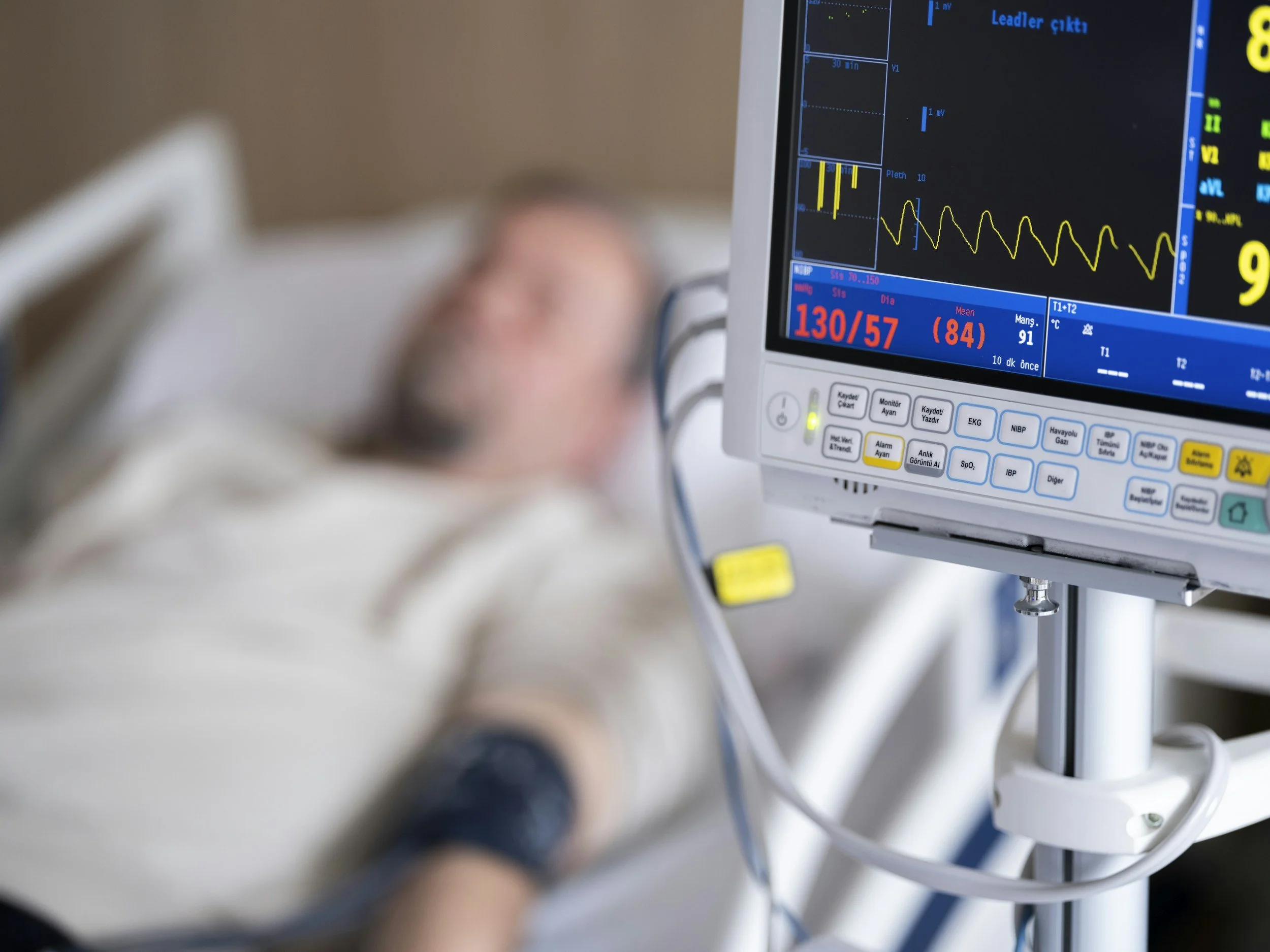
Medical Negligence
Medical negligence claims can be difficult, sensitive and highly personal. If you believe that you or a family member has been harmed because of medical treatment, delayed diagnosis, misdiagnosis or a failure in care, we can help you understand whether you may have a claim and what steps may be available to you.
Medical Negligence Claims in Ireland
Medical negligence, sometimes referred to as clinical negligence or medical malpractice, arises where a healthcare professional or medical provider fails to provide the standard of care that could reasonably be expected, and that failure causes injury, loss or a worsening of a person’s condition.
Not every poor medical outcome amounts to negligence. Medical treatment can involve risk, and sometimes complications arise even where proper care has been taken. A medical negligence claim generally requires evidence that the care provided fell below an acceptable professional standard and that this caused harm.
These claims can involve hospitals, consultants, GPs, dentists, nurses, care providers or other healthcare professionals. They can also arise in both public and private healthcare settings.
Types of Medical Negligence Claims
Medical negligence claims can cover a wide range of circumstances, including:
Delayed diagnosis or misdiagnosis
Failure to diagnose an illness, injury or condition
Surgical errors
Errors during childbirth or maternity care
Medication errors
Dental negligence
Failure to refer for further tests or specialist treatment
Poor post-operative care
Failure to properly monitor a patient
Negligent treatment in a hospital, clinic, GP practice or care setting
In many cases, the issue is not immediately obvious. A person may only begin to question what happened after symptoms worsen, a second opinion is received, or further treatment reveals that something may have been missed earlier.
How Medical Negligence Claims Are Different
Medical negligence claims are usually more complex than other personal injury claims. Unlike road traffic accidents, workplace accidents or accidents in public places, medical negligence claims are not assessed through the Injuries Resolution Board. They generally require detailed medical records, careful legal review and independent expert medical opinion before a claim can be properly advanced.
This is why early advice is important. Before any decision is made about whether to bring a claim, it is usually necessary to examine the medical background, identify the relevant treatment decisions, and consider whether there is evidence to support both negligence and causation.
Causation is particularly important. It is not enough to show that something went wrong. It must also be shown that the failure in care caused injury, avoidable harm, a delayed recovery, or a worse outcome than would otherwise have occurred.
What Should I Do If I Think I Have a Medical Negligence Claim?
If you are concerned about medical treatment you received, it is useful to write down a clear timeline of what happened while the details are still fresh. Keep copies of any letters, appointment notes, prescriptions, test results, discharge papers, referral letters or other documents connected to your care.
You do not need to have all of the answers before contacting a solicitor. Many people come to us because they are unsure whether what happened amounts to negligence. We can listen to your concerns, explain the process, and advise on the next practical step.
There are strict time limits for bringing medical negligence claims in Ireland. In many cases, the time limit is connected to the date of the negligent treatment or the date you first became aware that the treatment may have caused injury. Because every case is different, it is important to get advice as soon as possible rather than waiting until the full medical position is clear.
Why Choose David Walley & Co Solicitors?
David Walley & Co Solicitors has significant experience advising clients in medical negligence and personal injury matters. We understand that these cases are often emotionally difficult as well as legally complex, particularly where a person has lost trust in a medical provider or is still dealing with the consequences of what happened.
If you are worried about treatment you received, or treatment provided to a family member, you can contact us in confidence. We will explain your options in plain English and help you decide what to do next.
Speak With a Solicitor
If you believe you may have a medical negligence claim, it is worth seeking advice early. You do not need to know whether you definitely have a case before speaking with us. We can review the circumstances, explain the process, and help you understand the next steps.


Frequently Asked Questions
-
Medical negligence occurs where a doctor, hospital, healthcare professional or medical provider fails to provide an acceptable standard of care, and that failure causes injury or harm. It can include misdiagnosis, delayed diagnosis, surgical errors, medication errors, poor follow-up care or failure to refer a patient for appropriate tests or specialist treatment.
-
No. Medical negligence claims are generally treated differently from most other personal injury claims. They are not assessed through the Injuries Resolution Board and usually require legal assessment, medical records and independent expert medical opinion before court proceedings are considered. Citizens Information confirms this exception for medical negligence claims.
-
You may have a claim if the care you received fell below the standard that could reasonably be expected and this caused injury, avoidable harm or a worse medical outcome. However, not every poor outcome is negligence. These cases usually require a detailed review of your medical records and, in many cases, an independent expert medical opinion.
-
There are strict time limits for medical negligence claims. In many cases, the relevant period is linked to the date of the treatment or the date you became aware that the treatment may have caused injury. Because time limits can be complex, especially where the problem was discovered later, you should seek legal advice as early as possible.
-
Useful evidence may include medical records, hospital letters, GP notes, test results, prescriptions, referral letters, discharge summaries, photographs, receipts for expenses, and a written timeline of what happened. In many cases, an independent medical expert will also be needed to comment on whether the care fell below the expected standard and whether it caused the injury or harm.